
By Wendy — OverSixtyInsights – November 2025
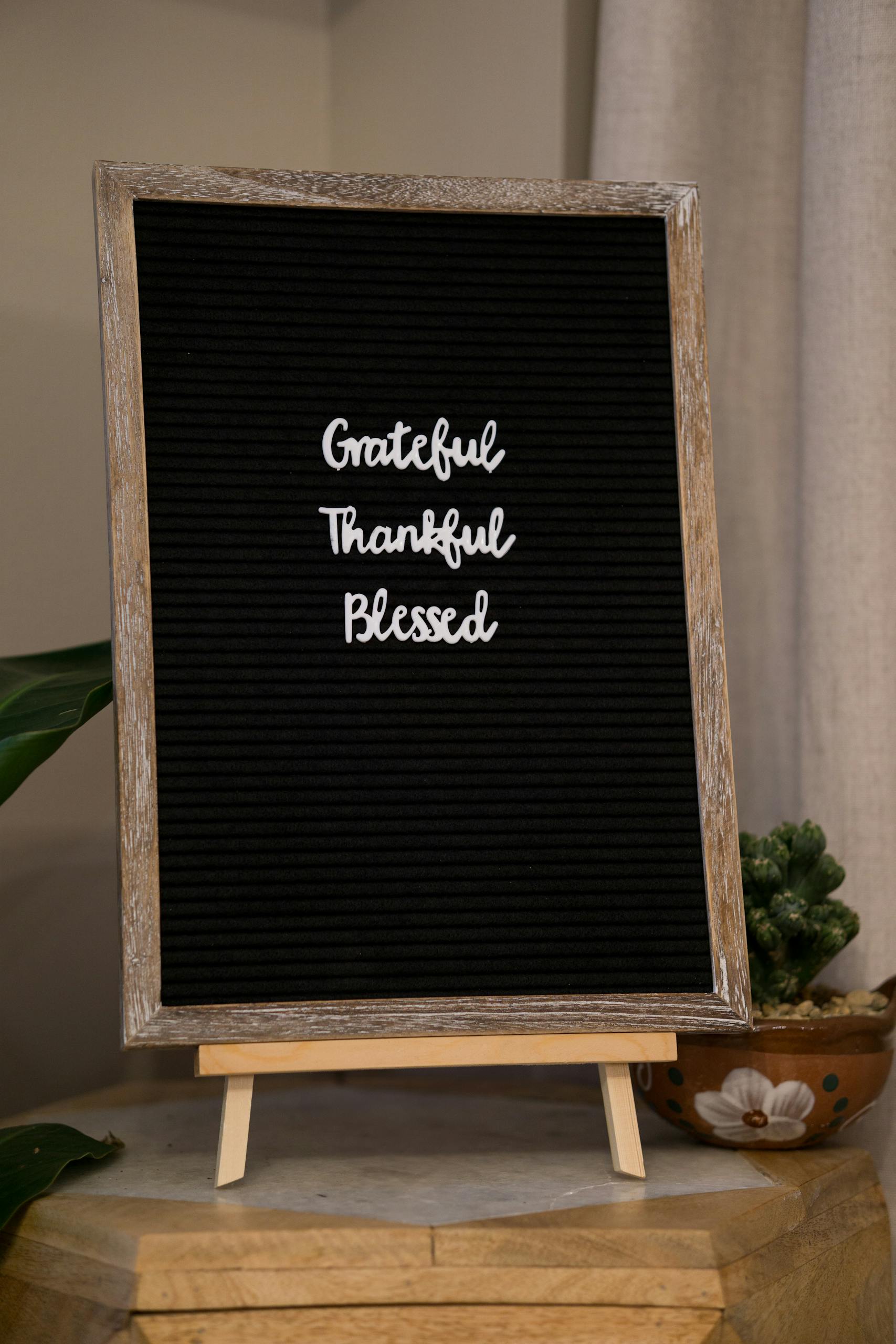
As we move through November — the season of gratitude — I’ve been thinking about what it really means to be thankful at this stage of life.
As I write this post, I’m sitting at my son’s kitchen table. It’s snowing outside, and I’m here for four days helping with the grandkids while my daughter-in-law attends her annual sales conference. I’m a snowbird, so I flew to Chicago from sunny Florida (yes, right in the middle of all the airline chaos!). Yesterday, we spent the entire day inside — building forts, reading books, running through the house with footballs, and laughing until we were all exhausted.
What a gift — to have the time and health to be here, to sit on the floor and be a “crazy Gramma or as my grandson says – GAGA,” and to know these are the memories my grandkids will hopefully look back on.
Gratitude used to feel like something we saved for the big moments — a new job, a family milestone, the purchase of a bigger home, or a vacation that went off without a hitch. But what I’ve learned with age, and with more time to slow down, is that true gratitude lives in the small, quiet moments of our everyday lives.
Gratitude doesn’t require grand gestures. It just asks us to pause, to notice, and to feel thankful for the ordinary blessings we might have once rushed past.
My Morning Practice
Every morning (well many), before the day gets away from me, I sit with my journal and write down three things I’m thankful for. Some days it’s big—my health, my family, a beautiful sunset. Other days it’s smaller—the way my coffee tasted, the time to sit and listen to the birds, or simply waking up to a clean kitchen.
But I don’t stop there. I also write down one thing I need forgiveness for and one thing I need to “let go” of—surrendering both to a higher power.
This simple ritual does something powerful: It lets me release what’s out of my control, acknowledge my own imperfections with grace, and start each day grounded in gratitude instead of worry. It reminds me that I don’t have to be perfect—I just need to be present, grateful, and willing to forgive myself when I fall short.
In this post, you’ll find why gratitude helps us age well, where to spot it in daily moments, simple habits you can keep, and how to be kind to yourself on hard days. Whether you’re retired, still working, caregiving, or living solo, focusing on everyday gratitude, simple joys, and mindfulness is doable.
Why Everyday Gratitude Matters at 60: Science, Mindset & Aging Well
Small moments of thanks can change how a day feels—and the science backs it up. Research with older adults shows that a steady gratitude practice is linked to lower blood pressure, stronger immune response, and reduced loneliness. It even supports better sleep and a calmer nervous system. Health benefits of gratitude | UCLA Health
Life at 60 often brings a shift in pace, a change of purpose, and a new uncharted chapter. Gratitude steadies that change. And here’s what I want you to know: it’s not a trait that some people have and others don’t. It’s a skill. You can grow it with small, repeatable actions.
Picture this: You’re sitting on a your porch with coffee or tea. Years ago, you might have rushed to the next task. Now you take an easy breath, feel the warm cup in your hands, and stop to listen to the birds. Nothing flashy happened—yet the moment feels full. That shift from rushing to noticing? That’s the heart of gratitude.
I remember listening to an Oprah podcast where she talked about paying attention while climbing the stairs — actually noticing how each step feels in your body. Instead of rushing, she suggested being grateful for the simple ability to move: the legs that carry you, the balance that steadies you, the breath that rises with the effort. Even with the aches and stiffness that come with age, the fact that we can climb those stairs is something worth appreciating. It’s a way of bringing awareness to the everyday abilities we often take for granted.
Science: Health Benefits You Can Feel in Your 60s
When you practice gratitude regularly, your body and mind respond:
- A calmer heart rate and steadier mood as stress eases
- Better sleep quality when your mind winds down with thanks instead of worry
- Less focus on pain, as attention shifts from strain to support
- More patience with loved ones, and the ability to let go of things that really don’t matter. If you need help with this one – read Mel Robbins book “The Let Them Theory”
There are also many studies on how Gratitude helps with cardiovascular health such as this one: The impact of gratitude interventions on patients with cardiovascular disease: a systematic review – PubMed
Mindset: A Lighter Way to Live
At 60, life can shift from chasing big goals to savoring what’s already here. Gratitude supports that shift beautifully.
Instead of pushing to do more (this can be very hard for many of us, me included), you start noticing what already adds meaning:
- A long walk that lets you enjoy the sun on your face and the birds overhead
- A tidy drawer that holds only what you actually use (minimalist mentality)
- A shared text with friends that makes you laugh and realize we are all in this together
- Having time to sit and enjoy reading a book
Realizing that we finally have a little more time can shift our entire mindset. Instead of living in the constant grind of work, deadlines, and schedules, we can choose to embrace a slower, more intentional pace. That extra space in the day becomes an opportunity — to reconnect with what brings joy, whether it’s rediscovering an old hobby, trying something new, or simply spending more unrushed time with the people we love. When we allow ourselves to see this season of life not as a loss of busyness, but as a gain in meaningful moments, everything begins to feel lighter and more fulfilling.
Aging Well: Rewrite your Story with Dignity and Joy
Old myths about aging miss the point entirely. Your story can center on wisdom, purpose, and calm.
Gratitude shapes identity in quiet ways. You start to see:
- Your skill in mentoring a younger coworker
- The gift of time to truly listen
- Your patience in caring for a grandkids or an aging parent
You might pick up a volunteer shift or a creative hobby—not because you should, but because you want to. Grateful thoughts allow you to find ways to give back. They remind you of the skills you’ve built over the decades but can use to help others at this stage of life.
Look for Ordinary Moments that Spark Gratitude
You don’t need a grand plan. You need curiosity—and permission to let small things feel rich.
Slow Mornings That Set a Calm Tone
Try a 5-minute ritual:
- Open the blinds and feel sunlight on your face
- Sip a warm drink while taking three slow breaths
- Do gentle stretches—shoulder circles, ankle rolls
- Enjoy one small thing today before checking your phone
- Spending a few minutes doing your Wordle and sharing with friends
Thank Your Body for What Still Works
Praise the parts that carry you:
- Steady feet, clear breath, kind eyes
- The balance to stand on one foot by the counter
- The strength to finish a walk or lift a bag
And honor your helpers. Medications, hearing aids, glasses, a cane—they’re not failures. They’re tools that make life safer and fuller. Celebrate progress, not perfection.
People Who Matter: Small Ties, Big Warmth
Relationships thrive on tiny acts:
- A quick text to your sister
- A neighbor’s wave across the street
- A weekly call with a friend
Introvert-friendly options count too: a handwritten note (my favorite thing), a shared photo of fun time with friends. Or expressing gratitude to a shop assistant or another person who has offered assistance. Little things can make a big difference in your mental and physical wellbeing.
Hard Days Happen: Find Gratitude Without Forcing It
Life brings grief, pain, money stress, caregiver fatigue. Forced positivity can sting.
Here’s the truth: You can hold hardship and thanks at the same time. Keep your steps clear and gentle.
Name the Hard First, Then One Helpful Thing
Use this two-line script:
- “This is hard because [reason].”
- “One thing helping me is [specific support].”
Examples:
- “This is hard because caring for a loved one who is dying is emotional. One thing helping was realizing that I get to spend these extra moments quietly with my loved one.”
- “This is hard because the clinic wait was long. One thing helping me is the kind nurse who checked on me.”
The Power of Forgiveness and Release
This is where my morning practice becomes especially powerful on hard days. When I write down what I need forgiveness for and what I need to let go of, I’m not pretending everything is fine. I’m acknowledging the mess, the mistakes, the things beyond my control—and then I’m choosing not to carry them alone.
Forgiveness doesn’t mean you did nothing wrong. It means you’re human, and you’re giving yourself the same grace you’d offer a friend.
Letting go doesn’t mean you don’t care. It means you’re releasing your grip on what you cannot change, trusting that you’ve done what you can.
On the hardest days, this practice is a lifeline. If you haven’t read Mel Robbins “The Let Them Theory” I highly recommend it – she provides so many examples and reasons why letting go is so important. You then get to decide how you want to move forward.
Celebrate tiny wins—like three days in a row. Momentum grows when you can see it.
Where to Start
Ordinary moments are enough. And they’re powerful at sixty.
If my five-minute morning practice resonates with you, start there tomorrow. Grab a notebook, sit with your coffee, and write:
- Three things you’re grateful for
- One thing you need forgiveness for
- One thing you need to let go of
Or start even smaller: one sentence of gratitude. A 100-step walk. A Sunday review of your week.
Your pace is right. And aging well grows from small daily thanks, honest self-forgiveness, and the courage to release what’s not yours to carry.
Conclusion: Gratitude Isn’t a Season – It’s a Way of Life
As I sit here watching the snow fall outside my son’s window — grandkids napping upstairs, toys scattered across the floor — I’m reminded that gratitude isn’t just something we talk about in November. It’s a way of seeing our lives more clearly, of recognizing the beauty tucked inside ordinary moments we might once have rushed past.
At sixty and beyond, gratitude becomes less about what’s next and more about what’s now.
So start small.
A sentence in a journal.
A quiet breath before the day begins.
A moment of forgiveness — for yourself or someone else.
These simple practices don’t just make your days better… they make your life richer.
And here’s what I know now:
You don’t need a perfect routine. You just need a willing heart and a few minutes each day to notice what’s already good.
Your life — just as it is — holds more to be grateful for than you might realize. Let this season be the reminder to slow down, savor, and see it.