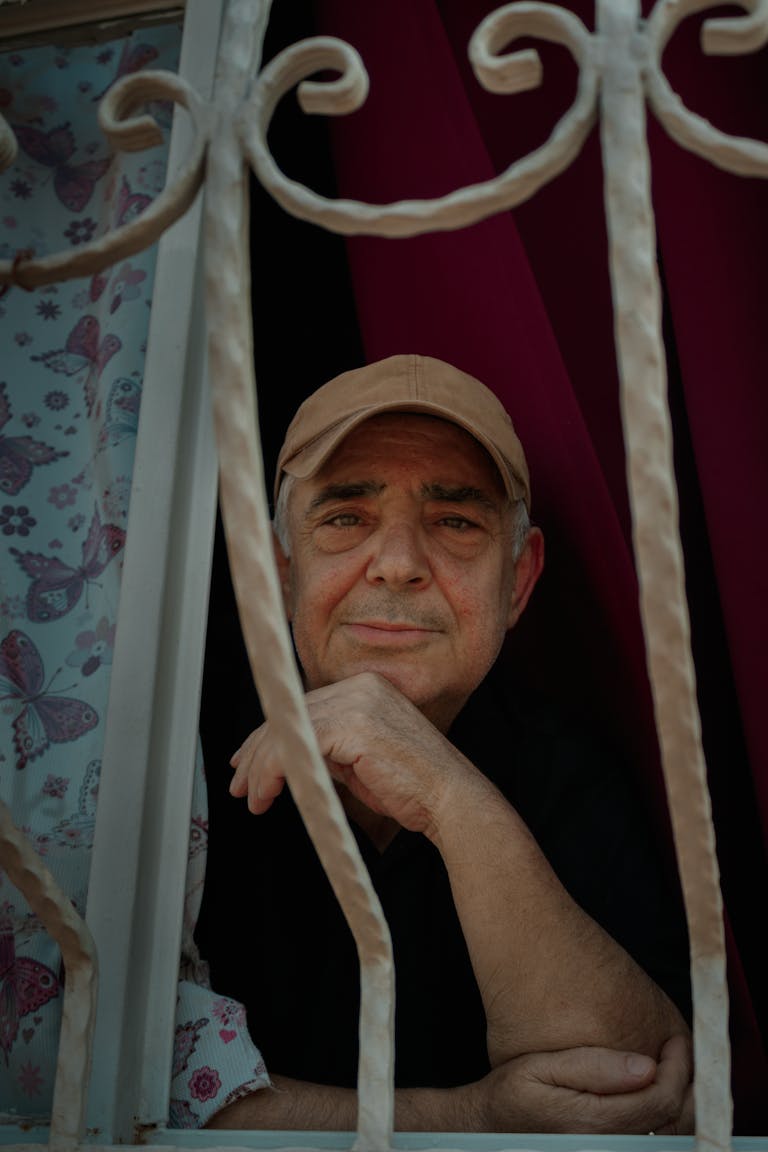

I met Andrea Hayes in 2021, when we moved into condos across from each other in Florida. What started as friendly waves in our shared garage, turned into one of the closest friendships I’ve made in this chapter of life — helped along, I think, by how much we had in common before we even knew it.
Andrea spent nearly thirty years as an endocrinologist. I spent years as a volunteer and advocate with Breakthrough T1D, working toward a cure for Type 1 diabetes because my daughter has lived with this terrible disease. Andrea has Type 1 herself. So when we sat outside talking about blood sugars, endocrinology, and the particular exhaustion of managing a chronic illness — hers as a patient, mine as a mother — we weren’t just neighbors. We understood each other in a way that doesn’t come along often.
Andrea recently retired from clinical practice and has poured that same curiosity and honesty into writing — she’s since published a book, and I could not be prouder of her. When I asked if she’d share her story of trading medicine for the manuscript, she said yes without hesitation. I think you’re going to love her voice as much as I do. Here’s her story:
Leaving the Rat Race of Medicine Behind
For nearly three decades, I lived inside the machinery of medicine.
As a busy endocrinologist, my days revolved around blood sugars, thyroid glands, hormones, weight, lab results, prescription refills, insurance denials, prior authorizations, and the occasional body part someone believed had betrayed them. My schedule was full before I even sat down. There were charts to sign, labs to review, patients to see, and paperwork quietly reproducing in every corner.
Medicine is meaningful work. It lets you enter people’s lives at their most vulnerable moments. It also gives you the joy of arguing with insurance companies about medication keeping patients alive.
After years in practice, I grew weary of the rat race.
Not tired of patients. Not tired of science. Not tired of being trusted with another human being’s story. But tired of the pace, the noise, and the administrative nonsense that crept into the exam room like an uninvited relative at Thanksgiving dinner.
The Moment I Knew I Needed to Slow Down
There comes a point in life when your body begins whispering what your mind has been trying to ignore: slow down, pay attention, stop pretending you are a machine.
In my younger years, I could run all day on adrenaline, caffeine, a sandwich eaten in three bites, and the fantasy that I would eventually catch up. I never did. No doctor ever really catches up. We just learn to live with the feeling that somewhere, something is waiting.
Now, in my 60s, I am slowing a bit physically, but not mentally. My brain still wants to analyze, observe, interpret, question, and explain. It just no longer wants to do that while answering portal messages, signing forms, and debating pharmacy benefit managers.
Why Writing Became My New Kind of Medicine
Writing became the place where my mind could keep moving without dragging my body behind it on a leash.
The beauty of writing is that I can do it any time, anywhere. I can write at a desk, on a couch, beside the water, in a coffee shop, in the middle of the night, or in the morning before the world starts asking for things. I can write when the spark hits me. And the spark does not keep office hours.
In medicine, inspiration had to wait behind the schedule, the lab report, and the patient who needed to tell me what she found on Google. In writing, inspiration gets to walk straight in.
The Hard Truth About Self-Motivation in a Second Career
That does not mean writing is easy. Writing requires tremendous self-motivation. No one is standing over you with a clipboard saying, “Please complete Chapter 7 by noon.” There is no waiting room forcing productivity, no medical assistant reminding you that you are already twenty minutes behind.
Writing is quiet. Sometimes too quiet. You have to create your own structure. You have to sit down when no one makes you. You have to return to the page when the sentence is ugly and your confidence has left the building without forwarding its mail.
As a physician, external pressure pushed me forward every day. As a writer, the pressure is internal. It comes from curiosity, discipline, memory, irritation, grief, humor, and the sense that certain stories deserve to be told before they disappear.
Every Decade Gives You Stories Worth Telling
And after six decades of life, I believe we all have stories worth telling.
By the time you reach your 60s, you have made mistakes. You have survived things. You have loved people. You have lost people. You have watched bodies fail, friendships change, plans collapse, and unexpected blessings arrive wearing bad disguises. You have learned what matters and what merely made noise. And, if you are lucky, you have developed a sense of humor.
After years as a doctor, I had accumulated thousands of human stories. Some were heartbreaking. Some were absurd. Many were both. Patients confessed, rationalized, exaggerated, minimized, denied, cried, laughed, and occasionally handed me physical evidence I did not request.
For years, I carried those stories inside me. Writing gave them somewhere to go. It also gave me somewhere to go.
Reinvention Isn’t Retirement – It’s Translation
Retiring from clinical medicine does not mean retiring from thought. Becoming a writer has been less of a reinvention and more of a translation. I am still explaining the human body. I am still studying human behavior. I am still trying to make sense of illness, aging, fear, resilience, and the audacity of people living inside fragile skin suits.
The difference is that now I can say what doctors often think but cannot always say out loud.
Writing allows room for honesty, humor, and reflection that cannot fit into a fifteen-minute appointment. It lets me step back and look at the whole strange picture: the patient, the doctor, the system, the body, the culture, the comedy, and the tragedy.
What I’ve Learned From Sentence to Sentence
I went from endocrinologist to writer because my life changed, my body changed, and my tolerance for the rat race finally ran out of gas. But my curiosity did not disappear. My desire to connect did not disappear. My need to explain, examine, and occasionally laugh at the absurdity of the human condition is alive and well.
Now, instead of rushing from exam room to exam room, I move from sentence to sentence.
In many ways, I am still doing what I have always done: listening carefully, looking beneath the surface, searching for meaning, and trying to tell the truth in a way people can understand.
Only now, I can do it in pajamas.
You can find Andrea at her website: Home – Andrea Hayes M.D.