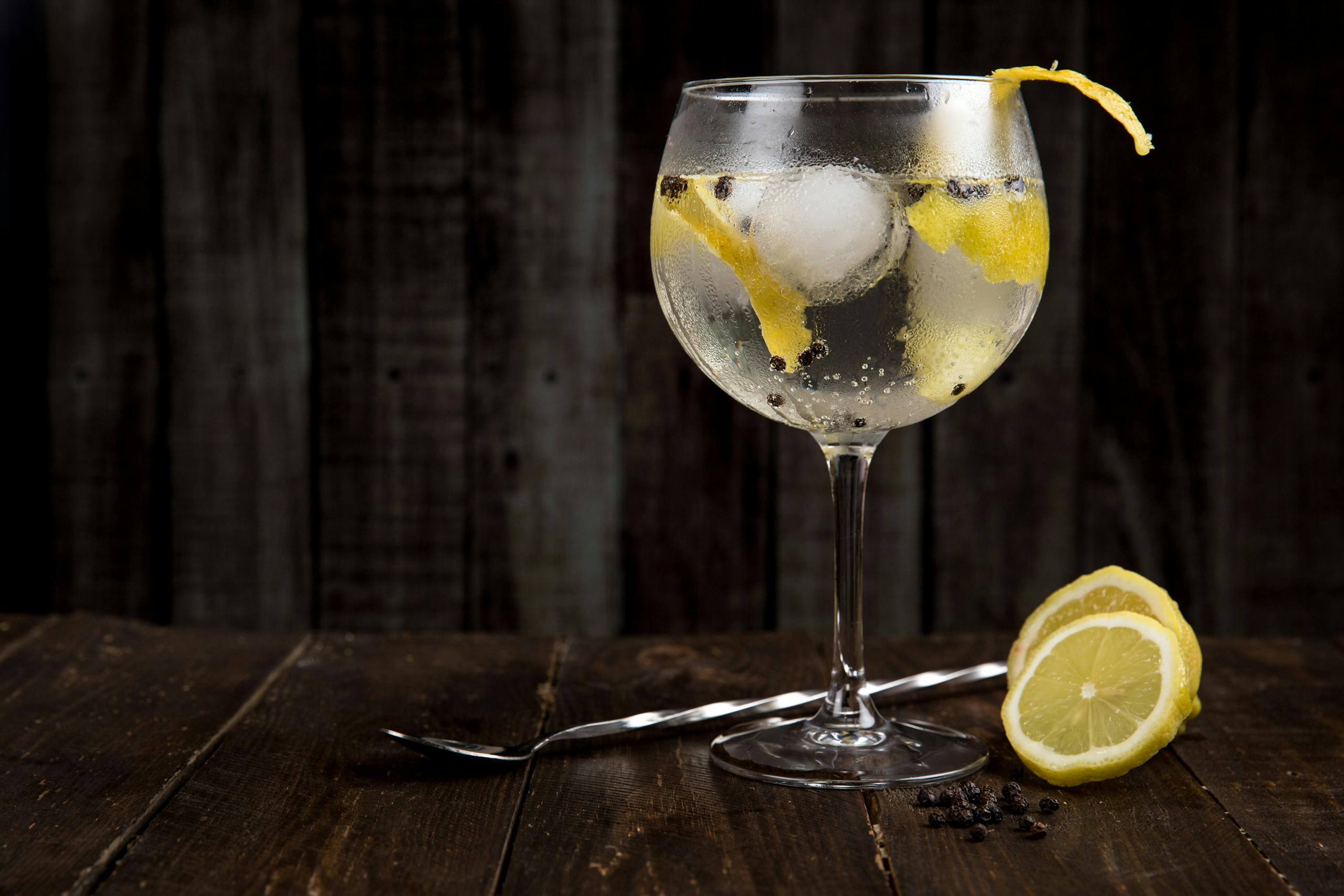
Dry January? Wait, I enjoy a glass of wine. With dinner. Out with friends. It’s social, relaxing and for years it has been a part of many days of my life.
But lately, even one glass of wine leaves me waking up foggy, tired and just off. It feels like my body is working overtime to process the alcohol. If you have noticed the same thing, you are not imagining it.
What I Know Now: Alcohol and Aging Don’t Mix the Same Way
As we get older, alcohol affects us differently because our bodies are changing. Whether we like it or not. And for me that realization came with a serious wake-up call.
A Wake-Up Call I Didn’t See Coming
In May of 2019, after a casual evening with friends for dinner, and one glass of wine, I came home with severe bloating and gas that wouldn’t go away. When I began to violently throw up, my husband decided it was time to go the emergency room.
Once in ER, the nurse asked, “what’s your pain level”, I replied – It’s a 10! Morphine didn’t help. But ER staff did not want to give me anything stronger until they figured out what was going on. How many drinks have you had Mam? One. Well let’s check her blood for alcohol poisoning. Nothing. Next, they bring me to get a CT scan. Well, the CT scan was very clear – I had a twisted colon or Cecal Volvulus. The cecal part of the intestine had twisted. I thought this only happened in dogs and horses! I would need emergency surgery. Within 6 hours the bowel tissue begins to die. If not treated immediately it can lead to ischemia, necrosis or perforation.
The surgery was successful. How could this have happened? Cecal Volvulus is rare. The estimated lifetime risk (rough estimate) is 0.1% of the general population will have this occur. I started to think back over the past year and realized some things in my body were changing. While the twisted colon was probably a combination of stress, and many other factors – I realized that alcohol was affecting me more and this was a wake-up call to change.
Why Alcohol Hits Harder After 60
Here’s what I learned — and what many of us aren’t told.
1. You Have Less Water in Your Body
After age 30, we lose 3–8% of lean muscle mass per decade. Muscle holds water, which helps dilute alcohol. Less water means alcohol becomes more concentrated in your bloodstream. (Cleveland Clinic – What to Know about Alcohol and Aging)
Result: One drink feels like two.
2. Your Liver Slows Down
The liver enzymes that process alcohol work more slowly with age. Alcohol stays in your system longer, which affects sleep, energy, and recovery. (National Library of Medicine).
3. Medications Matter
Many people over 60 take medications for blood pressure, sleep, pain, or mood. Alcohol can amplify side effects like dizziness, fatigue, and confusion. The National Public Ratio piece why alcohol hits us harder with age shares real stories of people noticing problems with alcohol as they age.
4. Sleep Takes a Hit
Alcohol may help you fall asleep faster, but it disrupts deep sleep and REM sleep. That 3 a.m. wake-up? Very common.
Everyday Benefits of Drinking Less Alcohol
One of the first changes people notice when they cut back is better sleep. Alcohol can make you fall asleep quickly, but it fragments deep sleep and REM sleep. You wake up at 3 a.m., heart racing, mind spinning.
When you start drinking less alcohol, your sleep cycles smooth out. You may still wake up now and then, but you tend to fall back asleep more easily and feel more rested. Research on the benefits of cutting down on alcohol highlights improved sleep as a common early reward.
Energy is another big one. Even one or two drinks in the evening can leave you a bit dehydrated and low on energy the next day. With fewer drinks, mornings feel less like a slog. Many people describe it as “getting my mornings back”
How to Cut Back Without Giving Up Social Life
You may be like me, reading this and a bit bummed because you do enjoy a drink now and then. Especially when out with friends. The good news is that your body starts repairing itself when you drink less. Little changes can make a difference. Here are some ideas to help you drink less and feel better:
1. Schedule Alcohol-Free Days
Pick one or two days a week and commit. Mark them on your calendar.
2. “One and Done”
This became my rule. One drink — and that’s it. It allows my body to process it over the course of a meal, and I can rehydrate to offset the effects of one drink.
3. Shrink the Pour
Use a smaller glass, order a spritzer, or choose the small pour (6 oz vs 9 oz)
4. Alternate With Water
One drink, one full glass of water. Simple and effective.
5. Try Alcohol-Free Options
Non-alcoholic wines, beers, and spirits have improved dramatically. Serve them in a real glass so it still feels special.
6. Plan for Tricky Moments
Cooking dinner, social pressure, or lonely evenings can trigger extra pours. Have a plan:
- Sparkling water while cooking
- A favorite show or call a friend
- Sip slowly at gatherings
If you decide to take a longer break, it can help to know what to expect. Drinkaware outlines common physical and emotional changes in their guide on what to expect when you stop drinking, including tips for getting support. If you think you may be dependent on alcohol, always speak with a healthcare professional before making big changes.
What I Know Now…
This isn’t about perfection.
It’s about paying attention.
As we age, our bodies change. Drinking the way we did at 30 often stops feeling good at 60.
Drinking less can mean:
- Better sleep
- More energy
- Clearer mornings
- A body that feels supported instead of stressed
You don’t need a Dry January to start. Try a gentle experiment:
- One drink instead of two
- A few alcohol-free days
- Notice how you feel
You may be surprised by how much better your body responds.
Final Note
This article is general educational information, not medical advice. If you are worried about your drinking or your health, talk with your doctor or another qualified professional.
If you enjoyed this post, subscribe to OverSixtyInsights for weekly reflections on health, aging well and what I’m learning along the way.