
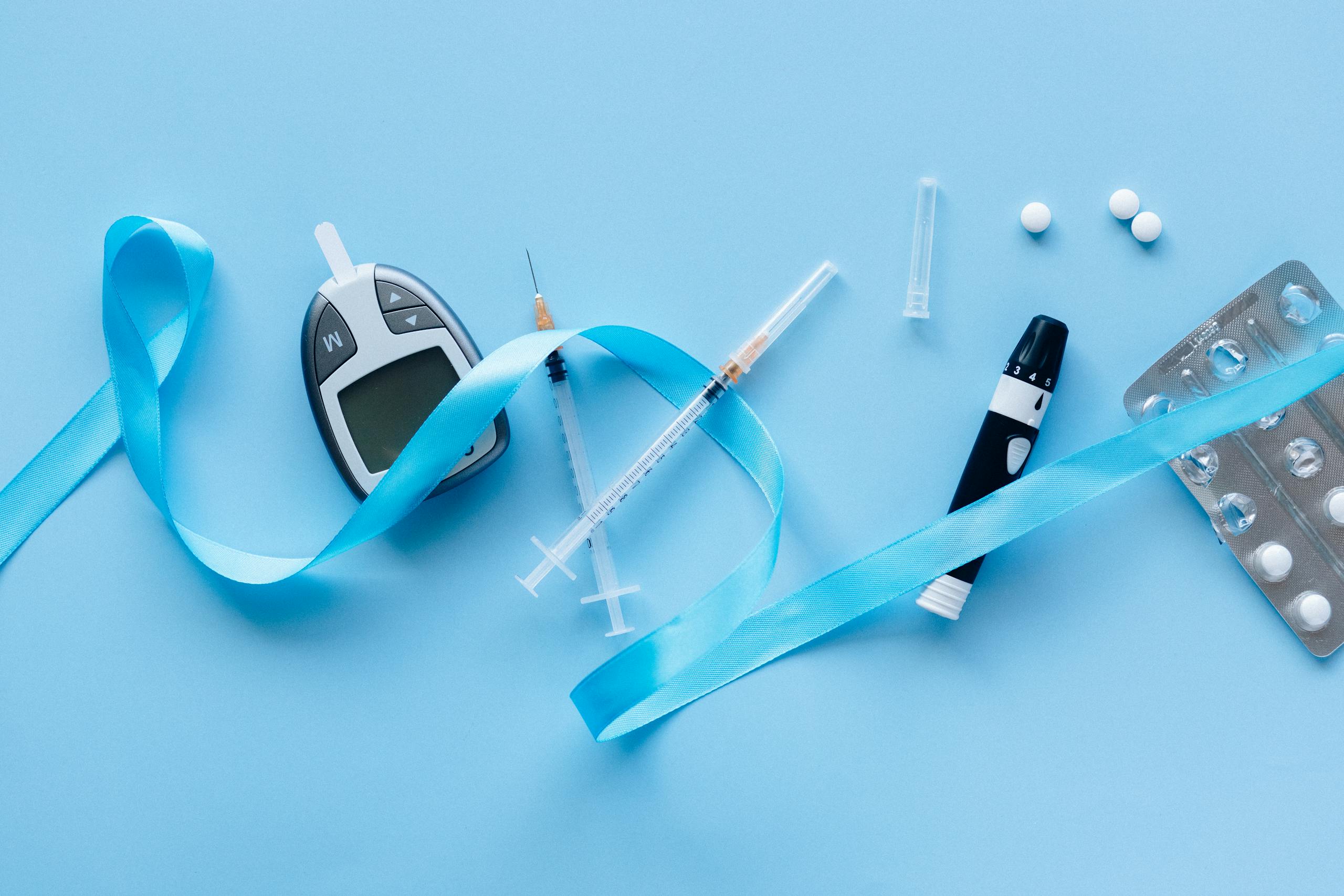
When my daughter Emily was diagnosed with Type 1 diabetes at 19, our world turned upside down. No one in our family had ever had this disease. How could this happen to a healthy, active college student?
Watching her navigate this challenging condition changed everything for me. In 2022, I joined Breakthrough T1D (formerly JDRF) in Southwest Florida to help raise funds for research and, hopefully, a cure. Through this journey, I’ve learned things about diabetes that I wish I’d known years earlier—knowledge that might have helped us recognize the warning signs sooner.
If you or someone you love is at risk, this information could be life-changing.
Understanding Diabetes: The Basics
Diabetes is a chronic condition that affects how your body regulates blood sugar (glucose). Think of glucose as your body’s fuel—it comes from the food you eat and powers your cells.
The pancreas produces a hormone called insulin that acts like a key, unlocking your cells so glucose can enter and provide energy. When your body doesn’t make enough insulin or can’t use it effectively, glucose builds up in your bloodstream instead. This leads to high blood sugar levels, also called hyperglycemia, which over time can damage vital organs and systems throughout your body.
The Critical Difference: Type 1 vs. Type 2 Diabetes
Here’s what shocked me most: not all diabetes is the same. One is an autoimmune disease with no cure yet. The other is often tied to lifestyle factors and can sometimes be reversed. Understanding this difference is crucial.
Type 1 Diabetes: An Autoimmune Attack
The biggest myth I heard: “Isn’t that just childhood diabetes?”
The reality? The average age of diagnosis is 26 years old. People can develop Type 1 diabetes at any age—even in their 60s or 70s. This disease affects far more adults than most people realize.
What’s really happening:
Type 1 diabetes (T1D) is an autoimmune disease. Your body’s immune system mistakenly identifies the insulin-producing beta cells in your pancreas as invaders and destroys them. Without these cells, your body can’t make insulin at all.
Since insulin is essential for life, people with T1D must replace it through daily injections or an insulin pump. There’s no diet change or exercise routine that can fix this—insulin replacement is non-negotiable for survival.
What causes it?
Research suggests genetics play a role, but there’s usually an environmental trigger—possibly a virus, extreme stress, or another unknown factor—that activates the immune response.
The screening breakthrough I didn’t know existed:
Doctors can now test for five specific autoantibodies in your blood—early warning signs that your immune system has started attacking your pancreas:
- GAD (Glutamic Acid Decarboxylase)
- IAA (Insulin Autoantibodies)
- IA-2 (Insulinoma-Associated Protein 2)
- ZnT8 (Zinc Transporter 8)
- ICA (Islet Cell Antibodies)
After Emily’s diagnosis, I had myself tested. I tested positive for GAD autoantibodies. I’m now working with a geneticist to understand what this means for my health and whether other family members should be screened. I learned that with the GAD autoantibodies, I have a 20% change of getting Type 1 diabetes.
If you have a family history of autoimmune diseases—not just diabetes, but conditions like thyroid disease, celiac disease, or rheumatoid arthritis—consider asking your doctor about this screening.
Type 2 Diabetes: A Different Disease Entirely
Type 2 diabetes (T2D) represents about 90-95% of all diabetes cases, making it far more common than Type 1. But here’s the key difference: Type 2 is not an autoimmune disease.
What’s happening:
In T2D, your pancreas still produces insulin, but your body becomes resistant to it. Imagine insulin as a key that’s worn down—it doesn’t unlock your cells as efficiently anymore. Over time, your pancreas may struggle to keep up with the increased demand, and blood sugar levels rise.
Type 2 diabetes usually develops gradually over years. While it was once called “adult-onset” diabetes, that term is outdated. Rising obesity rates, sedentary lifestyles, and genetic factors have led to increasing diagnoses in younger adults and even children.
Contributing factors include:
- Family history and genetics
- Excess weight, particularly around the midsection
- Sedentary lifestyle
- Age and metabolic changes
- Certain medications or medical conditions
- Poor diet high in processed foods and sugar
The hopeful news:
Many people with Type 2 diabetes can dramatically improve their blood sugar control—and sometimes even achieve remission—through lifestyle changes:
- Regular physical activity (even just 30 minutes of walking daily)
- Balanced nutrition focusing on whole foods
- Weight management
- Stress reduction
- Medication when needed
With Type 2 diabetes early detection and proactive management can significantly reduce the risk of serious complications like heart disease, nerve damage, kidney disease, and vision loss.
The Warning Signs I Missed
Since we had no family history of Type 1 diabetes, when Emily became sick, we didn’t connect the dots until it became an emergency. This still haunts me.
Type 1 diabetes typically develops gradually as the immune system destroys more and more beta cells. Your pancreas can still produce some insulin for months, masking the severity of what’s happening.
Emily’s symptoms appeared over several months:
- Excessive, unquenchable thirst
- Unexplained weight loss (despite eating normally)
- Vision changes and blurriness
- Fruity-smelling breath (a sign of ketones – this was a few days before she was diagnosed)
- Extreme fatigue that sleep didn’t fix
- Frequent urination, especially at night
She was a typical college student—staying up late, partying, pushing her limits. We chalked up her symptoms to college life and stress. I carry guilt about this, even though I know now that these symptoms can be easy to miss.
By the time we took her to the doctor with severe flu-like symptoms, her blood sugar was over 800 mg/dL (normal is 70-100). She spent three days in the ICU as doctors worked to stabilize her blood sugar and prevent diabetic ketoacidosis (DKA), a life-threatening condition.
If you notice these symptoms—in yourself or a loved one—don’t wait. Ask your doctor to check immediately.
Essential Tests You Should Know About
Beyond the autoantibody screening I mentioned earlier, here are the key tests doctors use to diagnose and monitor diabetes:
For Diagnosis:
Fasting Glucose Test Measures blood sugar after fasting for at least 8 hours.
- Normal: Less than 100 mg/dL
- Prediabetes: 100-125 mg/dL
- Diabetes: 126 mg/dL or higher
Oral Glucose Tolerance Test (OGTT) Measures how your body processes a glucose drink over 2-3 hours. Helps diagnose diabetes and monitor glucose response over time.
C-Peptide Test Measures how much insulin your pancreas is still producing. Critical for determining if you have Type 1 or Type 2 diabetes and whether insulin treatment is necessary.
For Monitoring:
A1C Test (HbA1c) Shows your average blood sugar levels over the past 2-3 months.
- Normal: Below 5.7%
- Prediabetes: 5.7-6.4%
- Diabetes: 6.5% or higher
- Treatment goal for most diabetics: Below 7%
This test is crucial for preventing long-term complications.
Blood Ketone Test Detects ketone levels, which rise dangerously when insulin is too low. Essential for preventing diabetic ketoacidosis (DKA), especially during illness or insulin pump failures.
Exciting New Treatments and Research
While watching Emily manage her diabetes has been heartbreaking, I’ve also witnessed incredible advances in treatment and promising research toward a cure.
Current treatment improvements include:
- Continuous glucose monitors (CGMs) that track blood sugar 24/7 without finger pricks
- Insulin pumps that deliver precise doses automatically
- Closed-loop systems (artificial pancreas technology) that adjust insulin based on real-time glucose readings
- New rapid-acting insulins that work more like natural insulin
Research giving us hope:
Scientists are working on multiple fronts:
- Stem cell therapies to regenerate insulin-producing cells
- Immune system therapies to stop the autoimmune attack
- Artificial beta cells and bioengineered solutions
- Prevention strategies for those with autoantibodies before full diabetes develops
This is why I support Breakthrough T1D every year. Every dollar raised funds great research that brings us closer to a world without Type 1 diabetes.
What You Can Do Today
Risk factors for Type 2 diabetes:
- Schedule a fasting glucose test at your next physical
- Start with small lifestyle changes—a 10-minute walk after meals makes a difference
- Focus on whole foods and reduce processed carbohydrates
- Work with your doctor on a prevention plan
If Type 1 diabetes runs in your family:
- Ask your doctor about autoantibody screening (the 5 blood tests listed above), especially if you have other autoimmune conditions
- Learn the warning signs and don’t dismiss symptoms
- Consider participating in diabetes research studies
If you want to make a difference:
- Support organizations like Breakthrough T1D that fund critical research
- Educate others about the difference between Type 1 and Type 2
- Advocate for better insurance coverage for diabetes supplies and medications
My Final Thoughts
Living with diabetes—or loving someone who does—changes your perspective on health, resilience, and what really matters. Emily has shown remarkable strength in managing this condition, and I’m constantly amazed by her determination.
But I also know that awareness matters. If our family had understood the warning signs earlier, we might have avoided that terrifying ICU stay. If more people knew that Type 1 diabetes can develop at any age, more adults would be diagnosed sooner.
That’s why I share our story. Because knowledge saves lives. And because together, through research and advocacy, we can work toward a future where no family has to hear the words “Your child has Type 1 diabetes.”
Resources:
- Breakthrough T1D (formerly JDRF): breakthrough.org
- American Diabetes Association: diabetes.org
- Beyond Type 1 (for young adults with T1D): beyondtype1.org