A Lesson From a Podcast About Change
I love listening to podcasts. I feel like I learn something new every time. Recently I was listening to a Mel Robbins episode where she was talking with her son Oakley about his transition from high school to college. The core of the conversation stuck with me: he loved high school, and that love was actually holding him back from settling into college life. He kept wanting things to feel like they used to — but they weren’t going to. The rest of the episode walked through a checklist for managing change.
It got me thinking. This concept applies to any big life transition — especially retirement.
The Hardest Part of the Transition
It’s never easy. One day you wake up with deadlines to meet, piles of work on your desk, pressure, energy, purpose. The next day you have the whole day in front of you, a cup of coffee, and a quiet question: what am I going to do with myself?
It can be a real dilemma figuring out how to fill your time in a way that feels good. Believe me — it’s a process. I went through it myself. I retired, and rather than filling an 8-to-6 office day with someone else’s agenda, I set out to recreate my life on my own terms — building my blog, sprinkling in volunteer work, and designing days that actually feel like mine. I wrote honestly about what that first stretch looked like in Happiness in Retirement: The Honest 3 Year Story.
Why the First Year Matters Most
Doing nothing in retirement is technically an option. But it’s not one that leads to a longer, happier life. According to Dan Buettner, the longevity researcher behind the “Blue Zones” — the places in the world where people are most likely to live to 100 — the year you retire can actually be one of the most dangerous years of your life. In Buettner’s research, one Blue Zone in particular, Okinawa, Japan, offers a completely different lens on aging. The Okinawans have a concept called ikigai — your reason for getting up in the morning. It’s not a retirement plan. It’s a life plan that never expires.
If you’ve just retired, or you’re standing at the edge of it, here are five mindset shifts that will help you move into this next chapter.
1. Let Go of the Past Self
Stop comparing your prior life to your current one. Maybe you were a clerk. Maybe you were a CEO. It doesn’t matter — that was the past. The healthiest thing you can do now is create a vision of who you’re becoming, not mourn who you were.
Are you going to volunteer? Mentor someone coming up behind you? Finally learn the thing you always said you’d learn (piano or painting)? Write down the things you’ve always wanted to do, and go for it. It will feel scary at first. That’s normal. It’s new. It’s change. Change is supposed to feel a little uncomfortable — that discomfort is often just the feeling of growth, not a sign you’re doing it wrong.
2. Give It a Year Before You Judge It
New chapters rarely feel right immediately, and that doesn’t mean you picked the wrong one.
I remember joining the Breakthrough T1D Gala committee. Walking into that first meeting, I felt completely out of place — unsure I was making any real impact, and half-convinced I didn’t belong in the room. But after that first Gala wrapped up, something shifted: I felt genuinely inspired to do more for the charity. If I had quit three months in because it felt awkward, I would have missed the part where it actually started to matter.
Give your new routine, your new group, your new hobby a full year before you decide it isn’t for you. The awkward middle is not the same thing as the wrong fit.
3. Rebuild Your Social Circle on Purpose
Here’s something nobody warns you about: your job wasn’t just a paycheck. It was also, quietly, your social infrastructure. The coworkers who knew your coffee order. The hallway conversations. The lunch invitations you didn’t have to plan because they just happened. When you retire, all of that disappears in a single week — and most people don’t notice the gap until months later, when they realize they haven’t had a real conversation with anyone outside their spouse in a while.
This is part of why Buettner points to the year you retire as one of the riskier years of your life. Isolation is a real health risk, not just an emotional inconvenience, and it sneaks up on people who were never “lonely” a day in their working life.
The fix isn’t complicated, but it does take intention. Step out and join that group you’ve been eyeing. Say yes to the invitation even when it would be easier to stay home. You will find your people — but only if you go looking for them, on purpose, instead of waiting for a new hallway to appear.
4. Become the Architect of Your Days
For 30 or 40 years, someone else built your calendar. A boss set your hours. A shift schedule told you when to show up. A school bell structured your family’s whole day around it. You never had to design a day from scratch — the structure was simply handed to you, whether you liked it or not.
Retirement hands you that job back with zero training. And it’s a bigger shift than most people expect. It’s easy to slide into waiting: waiting for your spouse to suggest something, waiting to feel motivated, waiting for the “right time” to start that project. But an unplanned life doesn’t organize itself. If retirement feels aimless, it’s rarely because there’s nothing to do — it’s because no one is doing the designing anymore.
That job is yours now. You get to decide what goes in the 9am slot that used to be a meeting. You get to build a week with intention instead of drifting through it. Owning that — becoming the architect instead of waiting for blueprints that aren’t coming — is what turns empty days into chosen ones.
Too Much Togetherness…
If you’re married, there’s another wrinkle to this. For decades, one or both of you left the house every day — which meant you were, without even trying, designing separate days. Now you’re both home, sharing the same kitchen, the same couch, the same hours, and it’s a lot more togetherness than either of you has had in years. It doesn’t take long before you’re getting on each other’s nerves without quite knowing why. That’s usually not a sign of a problem in the marriage — it’s a sign that neither of you has built an independent day yet. Having your own pursuits, your own friends, your own plans a few days a week isn’t pulling away from each other. It’s actually what makes the time you do share feel like a choice instead of a default.
5. Shift From Earning to Enjoying
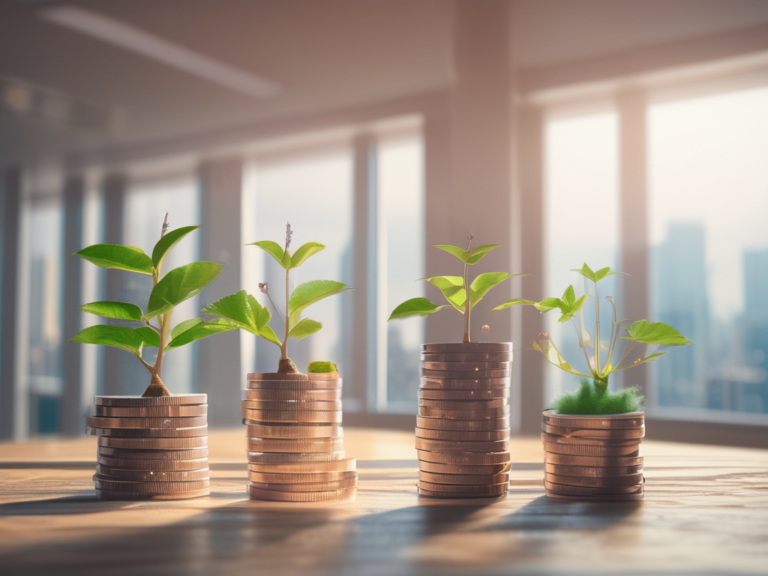
For decades, the goal was to save, accumulate, and build security for “someday.” Retirement means someday is here — and that requires its own mindset shift: giving yourself permission to actually spend and enjoy what you’ve built.
This is a harder switch than people expect, even for people with plenty of financial cushion. The habits of a saver don’t just turn off the day you retire. But a strong financial plan isn’t just about protection against a market downturn — it’s also what gives you the confidence to say yes to the trip, the grandkids’ visit, the hobby with the upfront cost, without a knot in your stomach. Security isn’t just about having the money. It’s about giving yourself permission to use it.
Retirement isn’t a finish line. It’s a new starting line — one you get to design yourself, on your own terms, one small mindset shift at a time.
I put together a First Year Retirement Journal. Subscribe below to receive your FREE Workbook!
Frequently Asked Questions
Why is the first year of retirement considered risky? Longevity researchers like Dan Buettner have found that the loss of structure, purpose, and social connection that often comes with retiring can affect both mental and physical health, making the transition year particularly important to navigate intentionally.
What is ikigai and how does it relate to retirement? Ikigai is an Okinawan concept meaning “reason for being” — the thing that gets you up in the morning. Unlike a traditional retirement plan built around finances, ikigai is about purpose, and it’s a concept that can guide how you spend your time long after your career ends.
How long does it take to adjust to retirement? There’s no fixed timeline, but many people find that giving a new routine, activity, or social group at least a year before judging it helps them see past the initial discomfort of change to whether something is truly a good fit.
Why do people feel isolated after retiring, even if they weren’t lonely before? A job often provides built-in social contact — coworkers, hallway conversations, and regular routines — that quietly disappears the day you retire. Rebuilding a social circle usually takes deliberate effort rather than happening naturally, the way it did at work.
Why is structuring your own time so hard after you retire? For most of adult life, an employer, school schedule, or shift builds the structure of your day for you. Retirement removes that structure all at once, which is why so many retirees find that designing their own days — rather than boredom itself — is the real adjustment.
Do I need a financial plan to enjoy retirement? A financial plan doesn’t just protect you from market downturns — it also gives you the confidence to spend on the experiences and people that matter, without second-guessing every decision.