I’ve always been told I have dense breasts — which seemed surprising since I’m on the smaller side. I never really understood what that meant until I learned that dense breast tissue has more fibrous and glandular tissue than fatty tissue. It’s quite common, especially among women after menopause, but it can make mammograms harder to read and slightly increase breast cancer risk. (You can read more about this on the Mayo Clinic website.)
That reality hit even closer to home recently when my aunt was diagnosed with breast cancer at age 75. She’s doing well now, thankfully, but it was a strong reminder that screenings don’t stop at a certain age. No matter how healthy we feel or how many years it’s been since menopause, staying proactive is key.
Our bodies continue to change long after 60 — and with each decade, we learn new lessons in care and awareness. After menopause, shifts in hormones, tissue density, and even how our bodies respond to exercise and nutrition can all affect breast health. The good news? Small, everyday habits can make a lasting difference.
Here are five ways to support your breast health after 60 — starting today.
1. Keep Up with Regular Screenings — Even After 70
It’s easy to assume that once we hit a certain age, we can skip mammograms — but research and experience say otherwise. Breast cancer risk doesn’t disappear after menopause; in fact, many diagnoses happen after age 60.
If you have dense breasts (like I do) or a family history, talk with your doctor about whether you need a 3D mammogram also called breast tomosynthesis or additional imaging such as an ultrasound.
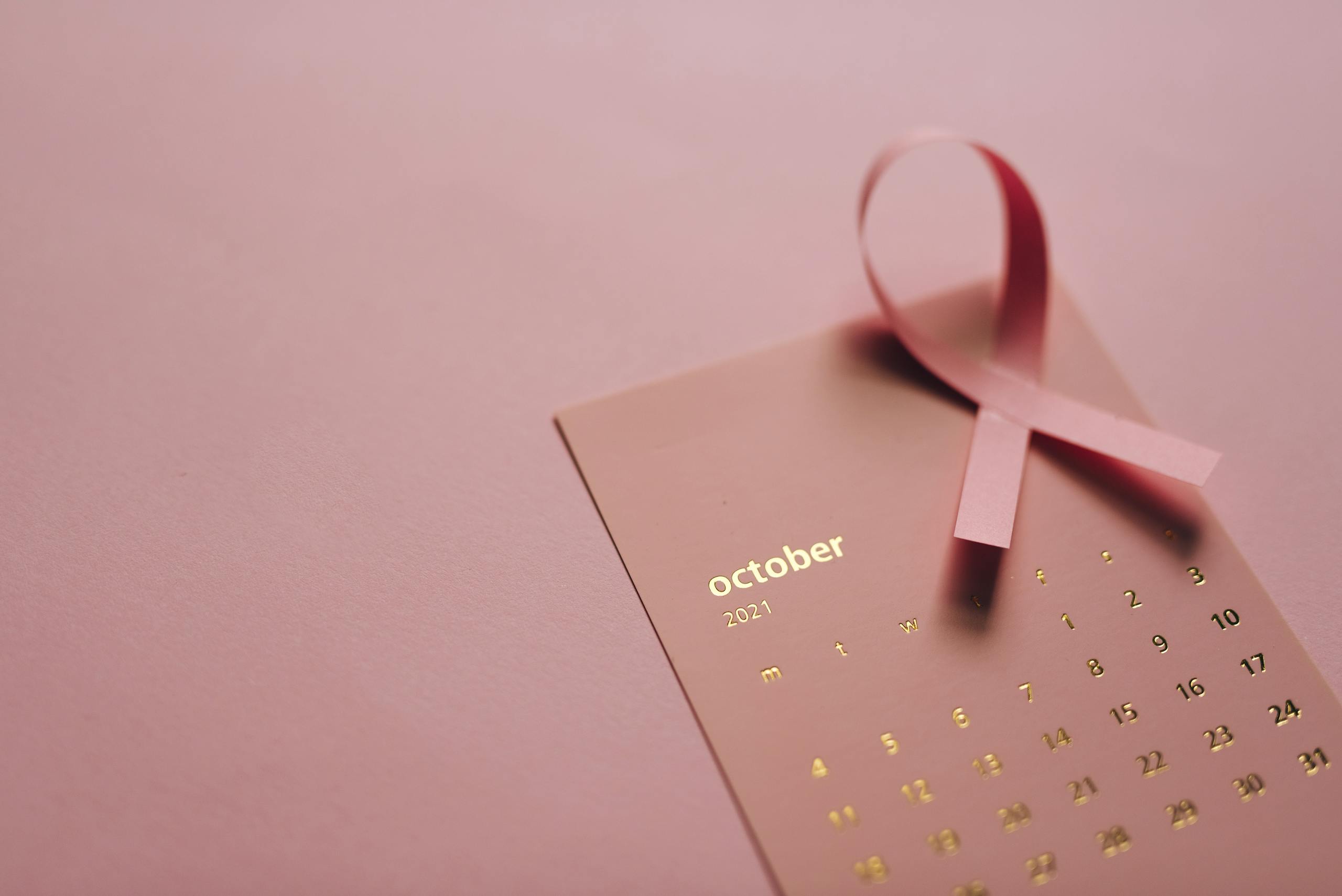
👉 Tip: Make your screening month easy to remember — for example, schedule it every October during Breast Cancer Awareness Month.
2. Maintain a Healthy Weight and Stay Active
After menopause, our metabolism slows and body fat can shift — especially around the midsection. This change isn’t just cosmetic; higher body fat is linked to increased estrogen production, which can raise breast cancer risk.
Even gentle, consistent movement — like brisk walking, light strength training, or yoga — helps regulate hormones and support overall health.
👉 Small Step: Aim for 30 minutes of movement most days. Swimming, biking or walking with a friend all count.
3. Focus on an Anti-Inflammatory Diet
Food plays a powerful role in long-term wellness. Diets rich in colorful fruits and vegetables, healthy fats (like olive oil and salmon), and whole grains can help reduce inflammation and support hormonal balance.
Try limiting processed foods, added sugars, and alcohol — all of which can affect hormone levels and increase oxidative stress in the body.
👉 Easy Swap: Replace one processed snack a day with a handful of berries or almonds. Small changes add up.
4. Be Mindful of Hormone Replacement and Medications
Many women turn to hormone replacement therapy (HRT) for relief from menopause symptoms — and for some, it can be a life-changer. But it’s important to have a thoughtful discussion with your doctor about timing, dosage, and duration.
Some forms of HRT can slightly increase breast cancer risk, especially with long-term use. The key is finding the right balance between comfort and caution.
👉 Conversation Starter: Ask your doctor, “What’s the lowest effective dose, and how often should we reevaluate?”
5. Practice Regular Self-Checks and Body Awareness
We know our bodies better than anyone. Get comfortable doing gentle breast self-exams — not to find something, but to know what’s normal for you. Notice changes in texture, color, or sensitivity.
Even small differences are worth checking. Trust your instincts; it’s always better to call your doctor for reassurance than to wait and worry.
👉 Gentle Reminder: Pick one day each month to check in — and make it part of your self-care routine, not a source of stress.
What I Know Now
Taking care of your breast health after 60 isn’t about fear — it’s about empowerment. I’ve seen how early detection and awareness can make all the difference. My aunt’s story reminded me that health is a lifelong journey. With the right habits and regular screenings, we can give ourselves the best chance at staying strong, confident, and thriving at every age.